Rated capacity drives the number
Forklift valueby lift capacity
Capacity is the first thing we ask about, because it sets the band your truck can land in before condition moves it up or down. Every class below has its own page with the cash range, what that capacity is normally used for, and the questions we ask about it.
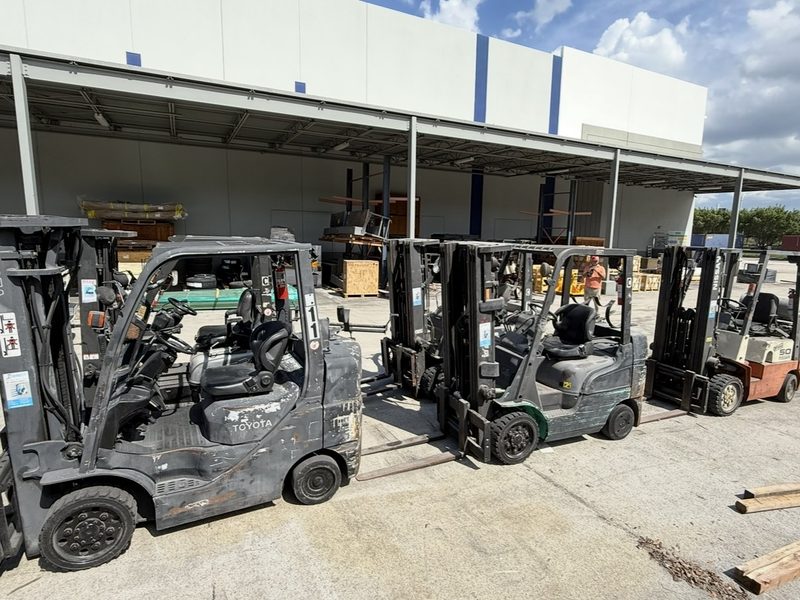
All ten classes
Cash ranges by rated capacity
These are the bands our offers fall inside. Where a specific truck lands depends on hours, condition grade, mast configuration, and how liquid the resale market is in that capacity class.
| Capacity | Typical Configuration | Common Use | Cash Range |
|---|---|---|---|
| 3,000 lb | Electric three-wheel, walkie stacker, compact cushion | Retail backrooms, light assembly, small stockrooms | $1,500 – $12,000 |
| 4,000 lb | Electric counterbalance, reach truck, cushion tire | General warehousing, racked storage, light manufacturing | $2,000 – $16,000 |
| 5,000 lb | LP cushion, IC pneumatic, sit-down rider | The default workhorse across nearly every industry | $2,500 – $20,000 |
| 6,000 lb | IC pneumatic, LP cushion, diesel counterbalance | Distribution, lumber, building supply, dock work | $3,000 – $24,000 |
| 8,000 lb | Diesel or LP pneumatic, heavier cushion trucks | Steel, concrete products, heavy distribution, ports | $4,000 – $30,000 |
| 10,000 lb | Diesel pneumatic, dual-tire IC counterbalance | Manufacturing, lumber yards, marine, pipe handling | $5,000 – $38,000 |
| 15,000 lb | Heavy diesel counterbalance, mill-duty trucks | Steel service centres, paper, heavy fabrication | $8,000 – $52,000 |
| 20,000 lb | High-capacity diesel, Taylor / Hoist / Kalmar class | Steel, marine, precast concrete, heavy industry | $12,000 – $75,000 |
| 30,000 lb | Heavy mill-duty forklift, loaded container capable | Ports, steel mills, heavy manufacturing, rail yards | $20,000 – $110,000 |
| 50,000 lb and up | Container handler, reach stacker, super-heavy forklift | Intermodal terminals, ports, steel mills, shipyards | $35,000 – $300,000 |
Pick your class
Capacity pages
Each page covers what that capacity is typically used for, what buyers look for, and the specific questions that move the number.
3,000 lb
$1,500 – $12,000
Electric three-wheel, walkie stacker, compact cushion
See this class4,000 lb
$2,000 – $16,000
Electric counterbalance, reach truck, cushion tire
See this class5,000 lb
$2,500 – $20,000
LP cushion, IC pneumatic, sit-down rider
See this class6,000 lb
$3,000 – $24,000
IC pneumatic, LP cushion, diesel counterbalance
See this class8,000 lb
$4,000 – $30,000
Diesel or LP pneumatic, heavier cushion trucks
See this class10,000 lb
$5,000 – $38,000
Diesel pneumatic, dual-tire IC counterbalance
See this class15,000 lb
$8,000 – $52,000
Heavy diesel counterbalance, mill-duty trucks
See this class20,000 lb
$12,000 – $75,000
High-capacity diesel, Taylor / Hoist / Kalmar class
See this class30,000 lb
$20,000 – $110,000
Heavy mill-duty forklift, loaded container capable
See this class50,000 lb and up
$35,000 – $300,000
Container handler, reach stacker, super-heavy forklift
See this classCondition, A through D
Where condition moves you inside the band
Capacity sets the band. Condition decides where inside it you land. We grade every truck the same four ways.
| Grade | Meaning | What It Looks Like | Effect On Offer |
|---|---|---|---|
| A | Ready to Work | Starts cold, lifts and tilts to full height under load, no active hydraulic leaks, tires and mast in good order, hour meter working and consistent with the machine's appearance. | Top of our range |
| B | Running, Needs Minor Work | Runs and lifts but has identifiable minor issues — a seeping cylinder, worn tires, tired battery, cosmetic damage, a non-functioning gauge, or deferred maintenance. | Moderate reduction from top |
| C | Runs Poorly or Lifts Poorly | Starts but runs rough, will not lift to full height, has a significant hydraulic or transmission fault, a failed battery pack, or unknown recent service history. | Substantial reduction |
| D | Non-Running, Scrap, or Incomplete | Will not start, seized engine or drive unit, major structural damage, stripped of components, sat outdoors for years, or already partially dismantled. | Core, component, and scrap value |
What we need to quote
Make
Brand drives resale demand more than any other single factor.
Model
Identifies the exact configuration, mast, and capacity class.
Year
Sets the baseline for expected wear and remaining service life.
Hours
The truest measure of use. Note if the meter is broken or replaced.
Fuel type
Electric, LP, diesel, or gas each sell into a different market.
Capacity
Rated capacity in pounds, straight off the data plate.
Mast type
Two, three, or four stage, and whether it has side shift or a positioner.
Condition
Does it start, does it lift to full height, any known faults.
Photos
Four corners, the mast, and a clear shot of the data plate.
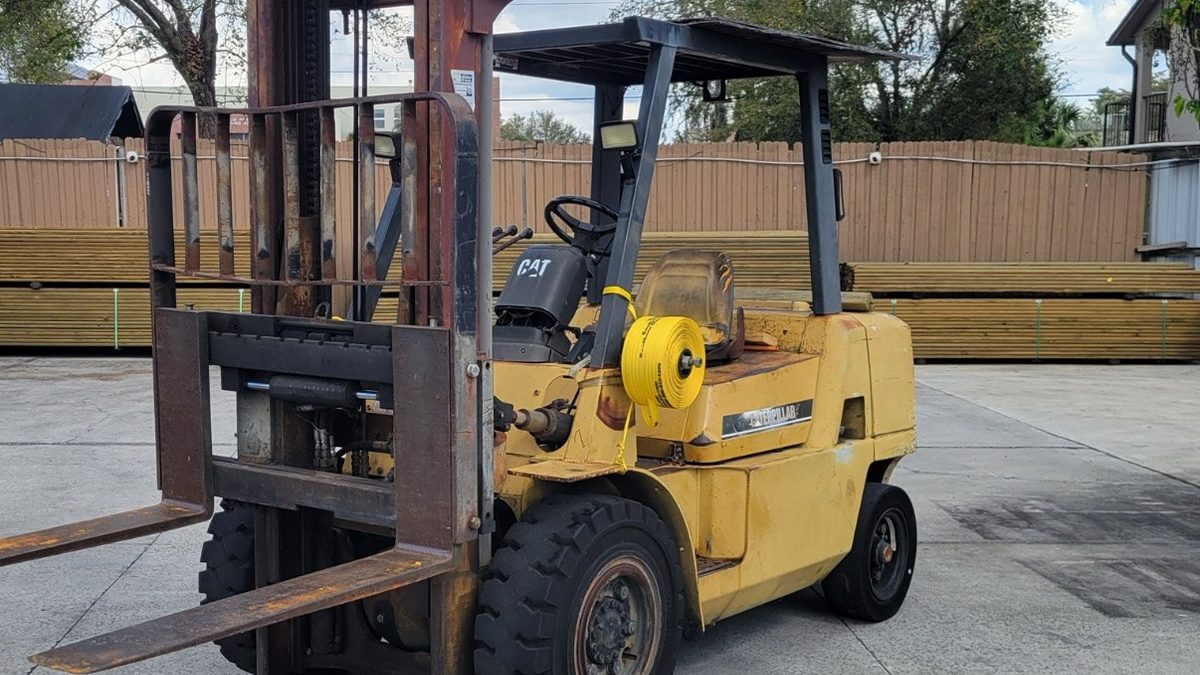
Not sure of your capacity?
It is stamped on the data plate, usually on the dash or the mast upright. Send us a photo of it and we will read it for you.
Forklift types we buy
- Electric Counterbalance Forklift
- IC Pneumatic Forklift
- Cushion Tire Forklift
- Narrow Aisle Forklift
- Reach Truck
- Order Picker
- Stand-Up Rider Forklift
- Sit-Down Rider Forklift
- Rough Terrain Forklift
- Telehandler
- Electric Pallet Jack
- Walkie Stacker
- Side Loader Forklift
- Multi-Directional Forklift
- High Capacity Forklift
- Container Handler
- LP / Propane Forklift
- Diesel Forklift
- Gas Forklift
- Forklift Attachments